How to Create Your Own Coffee Brand
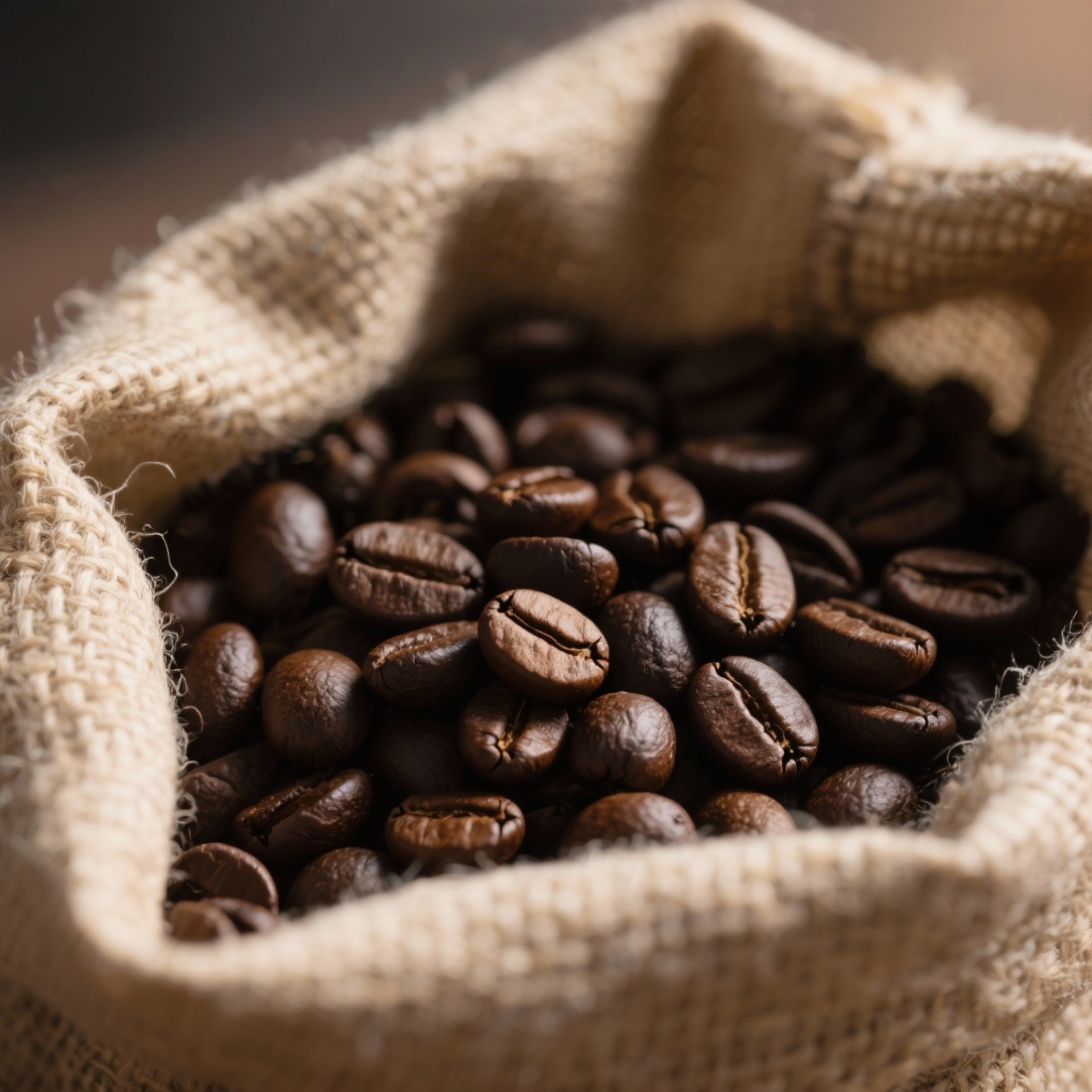
Launching a coffee brand is an exciting but challenging journey. In this article, we'll walk through **how to create your own coffee brand** — from idea and sourcing to branding, marketing, and growth. If you love coffee and want to build something of your own, this is your roadmap.
1. Define Your Vision & Niche
Before anything else, clarify why you're creating a coffee brand. What will make yours different? Here are some possible differentiators:
- Single origin / special coffee from one region
- Organic, fair trade, or sustainable practices
- Unique roasting style or flavor profile
- Subscription model or direct-to-consumer focus
- Eco-friendly packaging or social mission
By selecting a niche, you narrow competition and speak to a specific audience. That clarity will guide everything else.
2. Source Quality Coffee Beans
A brand is only as good as its coffee. Building relationships with farmers, co-ops, or importers is essential. Consider:
- Origin transparency — know the farm, altitude, processing method
- Quality grading (cupping scores, defects, uniformity)
- Logistics, import regulations, and consistency
- Minimum order quantities, storage, and freshness
Many small coffee brands begin with micro-lots and scale as they gain traction.
3. Develop Your Brand Identity
Once you have your product, you need a brand that resonates. This includes:
- Name, tagline, and brand story
- Logo, typography, and visual style
- Color palette and packaging design
- Voice & messaging (how you speak to your customers)
Your brand should clearly communicate your unique selling proposition (USP). Good branding will help you “pop” in a crowded coffee shelf.
4. Packaging & Presentation
Packaging is often the first point of contact. It must protect the product and tell your story. Key elements to decide:
| Decision | Considerations |
|---|---|
| Bag Type | Valve & foil bags, resealable, compostable, etc. |
| Sizes | 250g, 500g, 1 kg, sample packs |
| Label & Design | Logo, legal info, batch code, roast date |
| Supplementary Packaging | Boxes, sleeves, outer cartons |
Make sure your design is legible and visually appealing at small scale (on shelves, screens, etc.).
5. Decide Sales Channels & Distribution
Your distribution strategy affects pricing, margins, and brand perception. Common channels:
- Direct-to-consumer (D2C) via your own e-commerce store
- Wholesale to cafés, retailers, specialty shops
- Subscription model with recurring shipments
- Marketplaces (Amazon, local e-shops)
Each channel has trade-offs: D2C gives more margin and control, while wholesale accelerates reach.
6. Marketing & Launch Strategy
Even the best coffee brand fails without an audience. Here’s how to build one:
- Pre-launch: teasers, email list, giveaways
- Social media storytelling (behind the scenes, farmers, roasting)
- Influencer and micro-influencer collaboration in coffee, lifestyle niches
- Content marketing: blogs, brewing guides, videos
- PR, drop launches, and partnerships with cafés or events
Focus on building trust and authenticity — show the face behind the brand.
7. Legal, Operations & Logistics
Behind the scenes, there are practical matters you must handle:
- Business registration, permits, food safety certifications
- Import/export compliance, custom duties
- Warehouse, fulfillment, inventory management
- Quality control, batch tracking, customer service
Set clear processes early to avoid chaos when orders pick up.
8. Scale & Iterate
After launch, monitor feedback, sales, and data. Use metrics like:
- Customer acquisition cost (CAC)
- Repeat purchase / retention
- Return rates, complaints, roast consistency
- Channel performance (which retailers or ads perform best)
Iterate on blends, packaging, pricing, and marketing to grow sustainably.
Conclusion
Creating your own coffee brand is an ambitious but rewarding journey. By following these steps — defining your vision, sourcing great coffee, crafting a strong brand, and executing smart marketing — you can build something meaningful. If you’re ready to dive deeper into brand strategy, check out Catalyst SF’s Expertise or explore their Thoughts for inspiration.